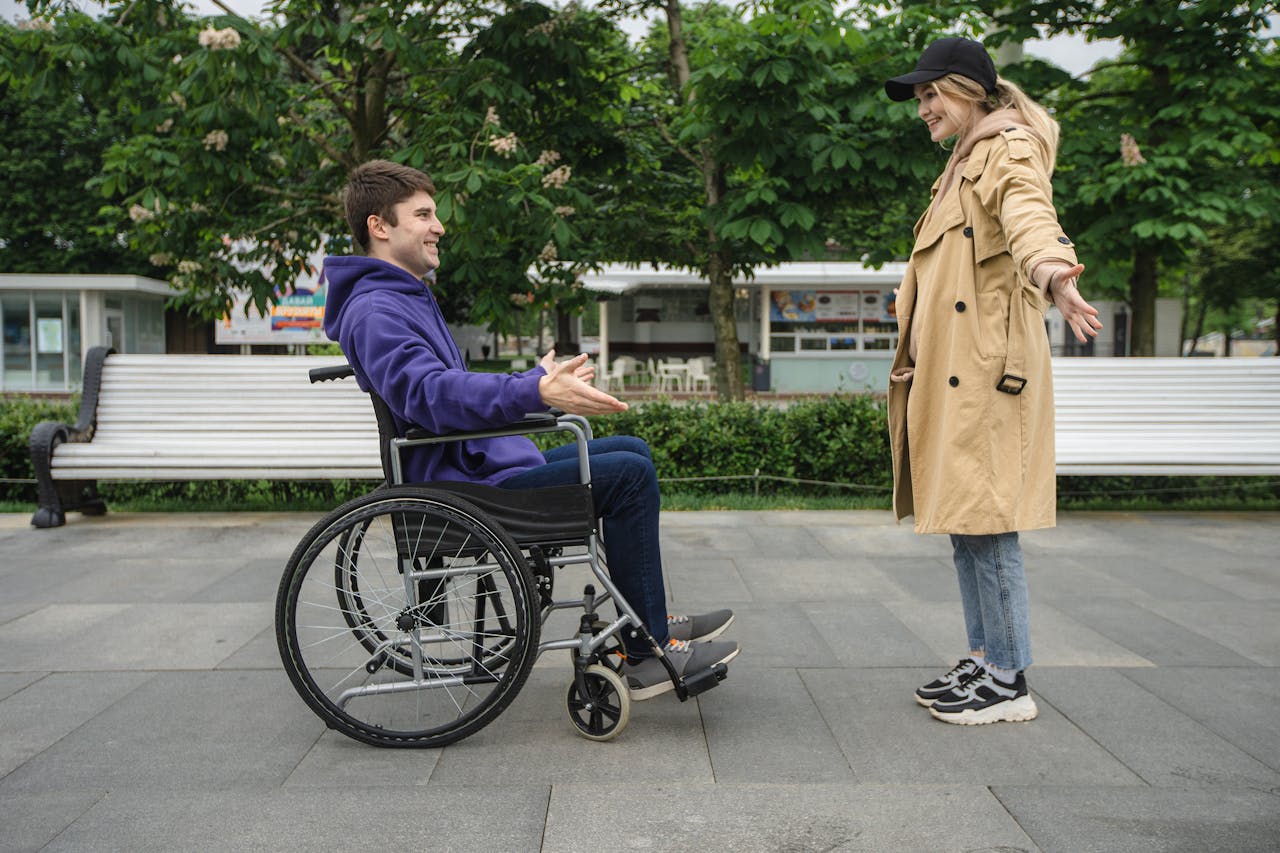
Having a close group of friends who understand and support you can be a tremendous blessing in life. I know first-hand because I have had incredible friendships over the years that have changed my life for the better. As a person with a disability, it can sometimes be hard to make long-lasting friendships; however, if you put yourself out there, you may meet people who could greatly impact your life.
The Importance of Having Friends And Building Strong Relationships
Having close friends can benefit your life in several ways. They offer advice and support in different situations. When I face a problem, or have trouble deciding on things, I consult my friends to see what they think. Friends are also there to comfort you during difficult times, like when you feel depressed or have lost loved ones.
How Do You Build Long-Lasting Friendships?
Most of the time, it’s about finding people you have things in common with. Throughout my life, I have met most of my friends at school, work, and activities like sports. Meeting new people can be extremely scary sometimes, especially for people with disabilities.
Unfortunately, sometimes the only way to make new connections is to face your fears and put yourself out there. Identify your hobbies and interests and see if there are activities or groups you can join to build connections. You can also ask your friends if they are involved in any activities and try them out. Sometimes, when individuals with disabilities are in new social situations, others without disabilities may be hesitant to approach. I have noticed this at restaurants, concerts, and small gatherings. I often worry that new people might not understand me because of my speech but, despite that, try to talk to them. Friendliness and openness are the qualities I look for first, and I ask questions to get to know the person. It is challenging to take a risk and start conversations, but it can be worth it in the long run.
To maintain a friendship, you have to be supportive of your friends and their needs. The best way to do this is by truly getting to know them. Find out what their interests and passions are. Ask questions to find out little things about them that you can remember in the future. Take time to celebrate their achievements and life milestones. If they are having a difficult time, ask what you can do to help. Listen if they want to talk but give them space if they don’t. Sometimes what helps you may not help your friends, so always ask how they want to be supported.
There are many different types of friendships. Throughout my life, I’ve had friends both older and younger than me, with and without disabilities, and of different genders. Some of my closest friends are guys I’ve known since elementary school. They bring new perspectives and often share my passion for sports. Having a mix of friends creates a great balance in life.
What Makes a Good Friendship
Several key factors make up a strong friendship. The first is sharing common interests and enjoying activities together. True friendships do not just happen overnight; they take time to grow. When I make a new friend, I ask questions to learn more about them and share my interests so they can better understand me. Another important component is having meaningful conversations, not just surface-level chats but in-depth discussions where you share perspectives. While I love my parents, there are some challenges I feel more comfortable sharing with my friends. They often give me new ways of looking at things I hadn’t thought of before.
The Struggles ff Maintaining Friendships
Friendships can change over time, and even the strongest relationships face challenges. When you’re young, it’s easy to maintain friendships because you see your friends daily or weekly at school or during activities. After high school, however, life shifts: college, new jobs, and moving away make it harder to stay connected. People with disabilities may also face challenges like not being able to drive or coordinate schedules easily. Sometimes, life milestones differ too. For example, I am 37, not married, and do not have children, while many of my friends have started families. We don’t have as much in common as we did when we were younger, but my friendships remain strong and have evolved over the years.
Ways to Maintain Friendships
Even though maintaining friendships can be challenging, there are ways to keep your relationships alive. Carve out specific times to meet up or call if you can’t see friends in person. Video calls on FaceTime, Zoom, or Teams can make conversations feel more personal. Not all friendships are equal in effort, and sometimes I’ve felt like I’m always the one reaching out. It can be frustrating, but I’ve learned that true friendships aren’t about keeping score, and you might need to take the lead to maintain them. If a friend doesn’t respond for months after you’ve reached out, it may be time to reevaluate the relationship. People get busy and sometimes need reminders to stay in touch. If there’s an issue, address it right away and talk things through. Conflict happens in all relationships and can even be healthy if you listen to each other and are honest.
Friends can play a very significant role in your life. They can make things a lot more fun and also provide comfort and support during hard times. I am extremely grateful for all the friends I have made over the years and the memories we have shared. It is not always easy for people with disabilities to maintain friendships, but my advice is to never stop trying because friends can be one of the greatest gifts in life.
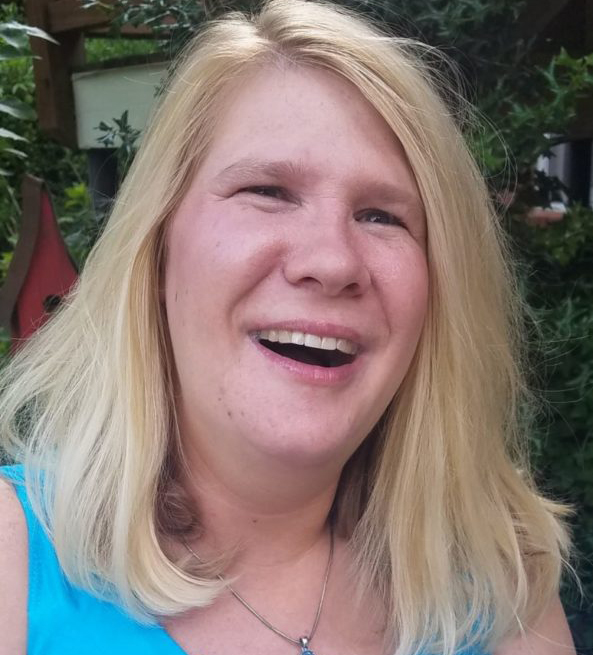
I’m Kylie Moore. I am from Roswell, Georgia, living with Cerebral Palsy. I’ve dedicated my career to advocating for the disability community, creating self-advocacy programs, and serving on boards. I founded the Ambassador Program at AADD, received the Tom Miller National Advocacy Award in 2020, and now advise Arts InCommunity. When not teaching, I can be found watching the Georgia Bulldogs or my beloved New England Patriots play football or participating in wheelchair sports.